
Why English Outdoors Isn’t Just Another Traditional ESL Summer Camp
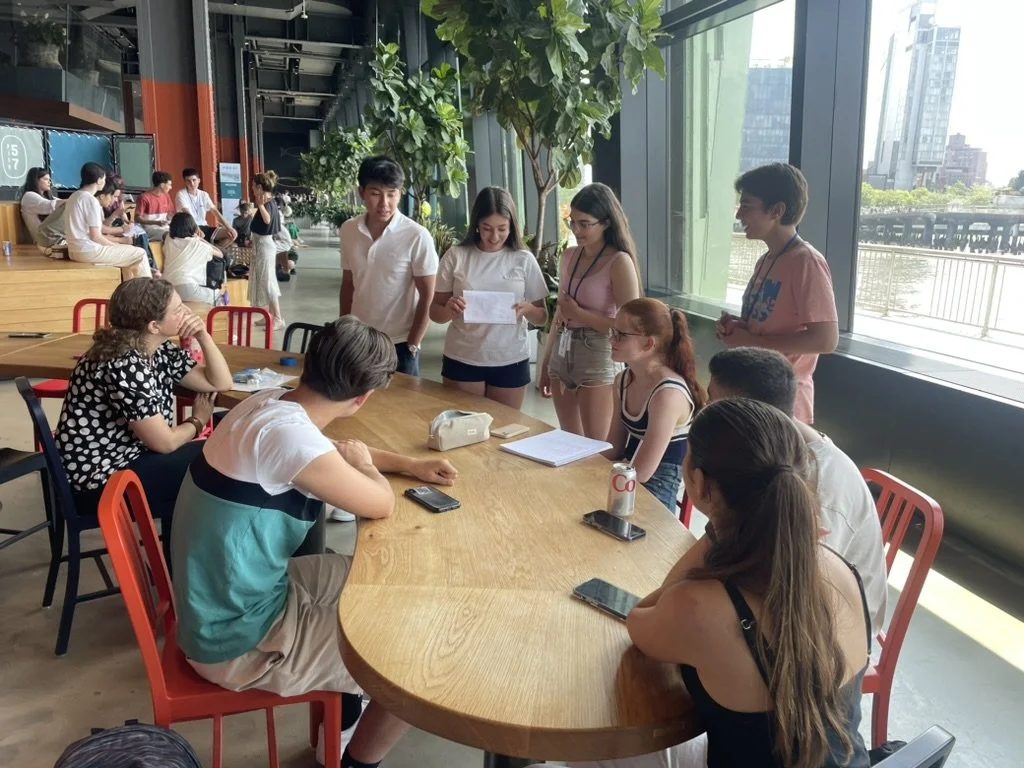
At first glance, English Outdoors doesn’t resemble many other ESL programmes. That’s no accident! Our approach might seem unconventional but it’s based around giving students real-world language practice, authentic experiences and life skills.
Since our courses look so different, they may raise questions for language learners who are used to formal instruction, who see classrooms, textbooks and grammar drills as signs of a serious course.
We admit, on the surface, outdoor learning may appear less serious than traditional approaches. But it’s expectations – and not outcomes – that shape these first impressions. Outdoor learning can be just as structured and as intentional in design. In fact, it offers many advantages over the classroom model.
How traditional teaching models shape expectations
“The best part is that you can’t escape English. There’s no other way to communicate other than English. You just feel free.” – Laurentiu, 16, Romania, English Outdoors 2025
Most people’s idea of an ESL programme is based on their school experiences, where formal lessons, explicit instruction and assessment take precedent. As many summer camps follow these traditional approaches, they reinforce the idea that classrooms are the “normal” environment to learn in. Over time, this setup has become the standard. Students may spend evenings or weekends doing alternative activities, but they always return to the classroom for English lessons.
New approaches like English Outdoors may initially seem less robust because they don’t line up with what people think are more “serious” ESL programmes. However, by listening to our students and understanding what they need – we can innovate and focus on what actually works.
What really matters when it comes to language learning
What matters most is whether ESL programmes can address the needs of students today. That means focusing on outcomes that support the everyday use of English and help every student feel more capable.
In practice, these learner needs tend to include:
Fluency building so learners can speak more smoothly and with less hesitation
Authentic practice, where they use English for real interactions rather than only for academic study
Tailored guidance to show students how to improve now and in the future
Transferable critical thinking skills for a range of contexts
The confidence to use English outside the classroom, no matter what students choose to do next
These new approaches to language learning provide benefits that you can’t find inside the classroom. For example, teachers often struggle to motivate language learners using traditional methods. Meanwhile, recent research shows that outdoor, experience-led learning is not only linked to stronger knowledge recall but also higher engagement levels.

English practice in real-life situations helps learners find their self-confidence.
How language learning happens at English Outdoors
English Outdoors is designed to push students to use English in real-life situations throughout their stay. Our classes take place at iconic spots across major cities such as urban parks, indoor markets and curated markets and historic sites, where we immerse them in the language and give them plenty of practice opportunities.
Our focus is on helping students communicate more confidently. We prioritise fluency-building activities over grammar-based instruction to give them more time speaking, interacting and participating. Grammar still plays an important role – it just supports communication instead of leading the classes.
Every class includes engaging activities that give students reasons to speak without putting them under pressure. They can practice in mixed international groups, without fear of making mistakes, and receive targeted feedback from teachers afterwards. Over the course of the two weeks, they make significant progress in English without setting foot inside a traditional classroom. Classes are so effective because they allow students to actually experience the language.
What to expect from English Outdoors
Although English Outdoors may look informal, we achieve all our learning outcomes through clear structure and intentional design. Every part of our ESL programme helps students to engage in activities and develop skills while giving them space to act independently.
Location: English Outdoors chooses indoor and outdoor locations around major cities based on the opportunities they provide for meaningful practice. As the weather adds some unpredictability, we also have backup plans for every session.
Class Excursions: Our experienced Academic Team has curated a range of activities that blend authentic speaking practice, hands-on learning and urban exploration to keep them engaged.
Guidance: Students spend the week in small, mixed classes with a trained ESL teacher, so they receive plenty of targeted support and feedback.
Safety & Security: The English Outdoors team is there to support students every step of the way so they have the confidence to speak more English, meet new people and explore the city. Better yet, they feel safe to make mistakes with language learning and keep trying until they get it right.
English Outdoors is ultimately about more than language learning. One former student, Lara from Brasil, told us it’s “a way to just learn about life, about people, about experience, and about living with yourself in a different place. I think it’s much more about that than just the English for me.”
A new type of ESL summer camp
English Outdoors challenges assumptions about what ESL programmes should look like. We may be unconventional, but nothing about us is accidental. Every aspect of our programme reflects a conscious choice about what learners need and how they might actually use English in their day-to-day lives.
Our value goes beyond the classes. By focusing on fluency and confidence, our ESL programme prepares students for what comes next – whatever that may be.